
On paper, most commercial renovation projects look straightforward. There are renderings, budgets, timelines, and a list of vendors responsible for each part of the work.
But anyone who has overseen a construction or renovation project knows the real complexity lives somewhere else: between those vendors, where decisions intersect and small misalignments quietly turn into renovation delays, change orders, or last-minute adjustments.
Understanding what causes those disruptions is often the difference between a renovation that finishes smoothly and one that slowly drifts off schedule.
Why Projects Break Down Between Vendors
Projects rarely fall apart because someone lacks skill or experience. More often, the challenge is that construction requires many disciplines to work in sequence: architects, engineers, trades, inspectors, and suppliers. Each group is responsible for a different portion of the project, yet their work depends on everyone else’s.
If those transitions aren’t managed carefully, small gaps begin to appear. A rendering may not fully reflect existing site conditions. A permitting requirement may surface later than expected. A trade may arrive before another has completed its work. None of these situations are unusual, but when they appear late in the process they can disrupt schedules and place unnecessary pressure on the people responsible for delivering the project.
Stories From the Field
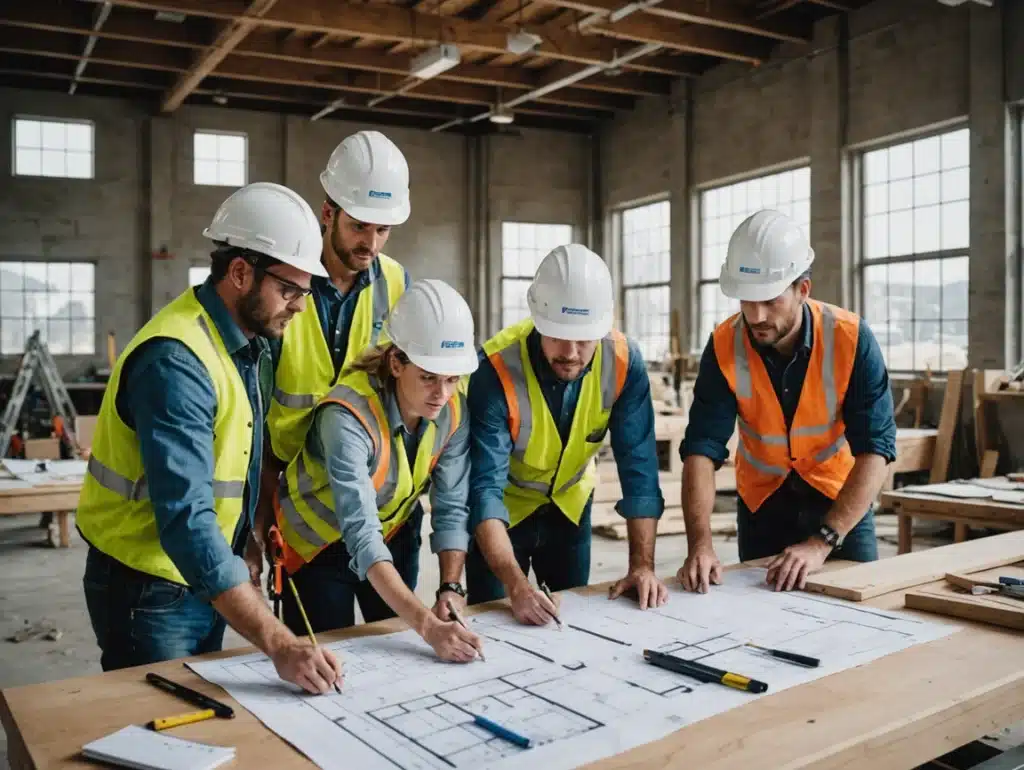
“We had a hotel lobby bathroom renovation where everything looked right on paper,” Fred recalls. “The drawings were done, the client approved the concept, and the pricing was in place. But when the architect and engineer walked the site together, they realized there were additional requirements that hadn’t been accounted for yet – sprinkler adjustments, clearance issues, and a few code considerations that changed the layout. Nothing was technically wrong with the drawings. It was just that the right disciplines hadn’t been in the room together early enough. That’s something you see a lot in construction.”
The Work That Keeps Complex Projects on Track
The work that keeps complex renovation projects on schedule happens long before construction begins. Experienced project teams spend significant time early in the process:
- Reviewing plans across disciplines
- Confirming scope with all stakeholders
- Identifying potential permitting or code issues
- Sequencing the construction phases properly
Tools that help everyone visualize the finished space, such as detailed renderings and early layout planning, also reduce the risk of misinterpretation later on.
When stakeholders can clearly see how the finished environment will come together, it becomes much easier to establish realistic budgets, timelines, and construction schedules.
This type of early alignment is especially important in environments with fixed deadlines, such as corporate offices preparing for occupancy or schools completing renovations before students return.
Why Coordination Is the Hidden Driver of Successful Renovations
Successful renovations may look effortless once they’re complete on time and on budget. In reality, that simplicity comes from careful coordination long before the first wall is opened.
The difference is usually an established, tried-and-true process. Renovation timelines become tenuous when decisions happen in isolation and teams move forward without a shared understanding of the plan. A clear process brings the right disciplines together early – reviewing drawings, confirming details, and sequencing the work before construction begins.
When that process is in place, many of the issues that typically derail commercial renovation timelines are resolved before they ever reach the job site.Learn more about how the WeDesignNY process is the key to 30 years without a missed deadline.