

School flooring has to do far more than look good.
In high-traffic school environments like hallways, classrooms, gyms, and cafeterias, flooring must withstand constant foot traffic, rolling furniture, spills, and daily cleaning. The best school flooring balances durability, safety, acoustics, and maintenance while supporting the overall experience of the space.
For school operations and facilities teams, flooring is not simply a design decision. The right materials help spaces stay cleaner, wear better over time, and support how the school functions day to day.
Types of School Flooring for Different Spaces
There is no one universal flooring solution for schools. The right option depends on how a space is used, how much traffic it receives, how frequently it is cleaned, and what experience the environment should create.
Common flooring options used in schools include:
Carpet tile
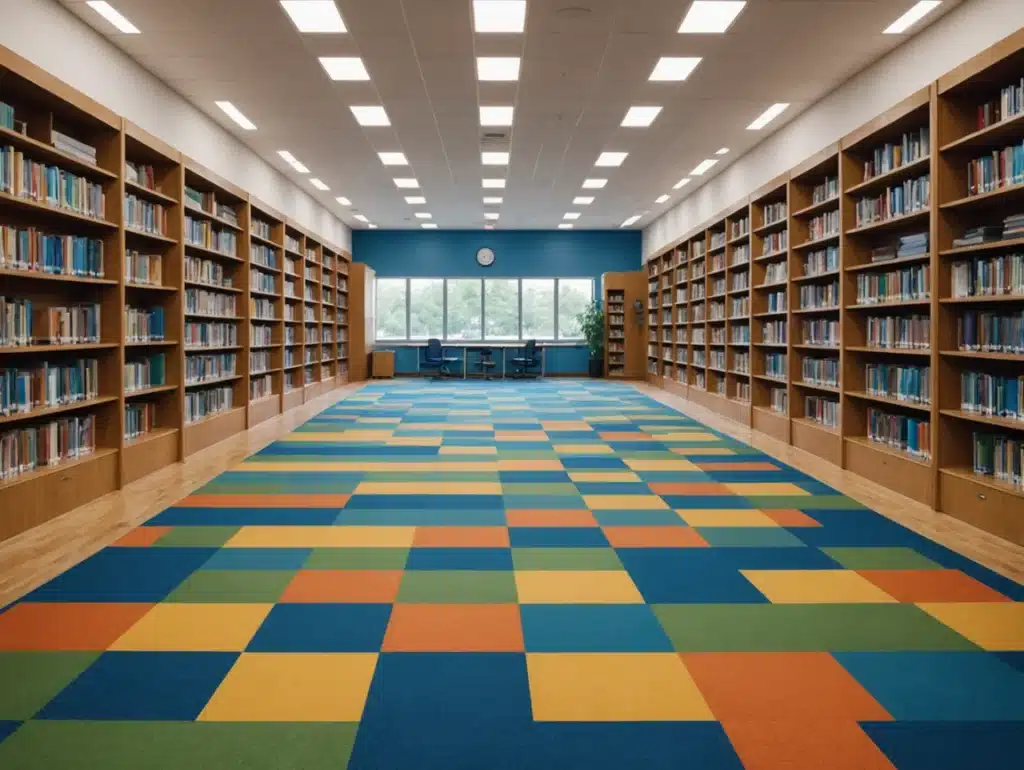
Often used in libraries, administrative areas, and some classrooms. Carpet tile helps manage acoustics, adds comfort, and allows damaged sections to be replaced without removing the entire floor.
Broadloom carpet
Sometimes used in offices or select common areas where schools want a polished, welcoming atmosphere.
Linoleum or Forbo flooring
Durable, practical surfaces that perform well in corridors and classrooms where resilience and ease of cleaning are essential.
VCT and LVT flooring
Two of the most widely used flooring materials in schools. VCT is known for durability and value, while LVT offers strong resilience with a more refined visual finish.
Wood or laminate flooring
Often used in specialty spaces or premium common areas where schools want a warmer environment.
Dance studio flooring
Movement spaces require specialized flooring designed to absorb impact, support flexibility, and protect users.
Gym flooring
Gymnasiums require athletic surfaces built to handle sports activity, heavy use, and repeated impact.
Cafeteria flooring
Cafeterias demand durable, easy-to-clean flooring that can handle spills, heavy traffic, and frequent cleaning.
How to Choose the Right Flooring for Schools
The best flooring decisions start with understanding how each space actually operates.
A hallway experiences very different wear than a dance studio.
A cafeteria has different needs than an administrative office.
A gym must perform differently than a library.
Selecting the right flooring for schools requires considering traffic patterns, cleaning routines, acoustics, furniture movement, and long-term durability, not just appearance.
Why the Right School Flooring Matters Every Day
When flooring is chosen thoughtfully, people may not notice the material itself but they feel the difference.
Spaces remain easier to maintain.
They stay attractive longer.
They support the activity happening in the room.
Over time, the right flooring contributes to environments that feel intentional, durable, and welcoming, with spaces students, faculty, and families are proud to walk into every day.Learn more about WeDesignNY’s flooring options here.